
The Crooked Lines of Human Error
Los renglones torcidos de DiosImages of flawed writing, mistaken perception, and compassionate repair gather into the novel’s central question about suffering and human worth.
increasing Bearing strength in each event
 decreasing
Bearing strength in each eventdecreasingThe Title’s Image
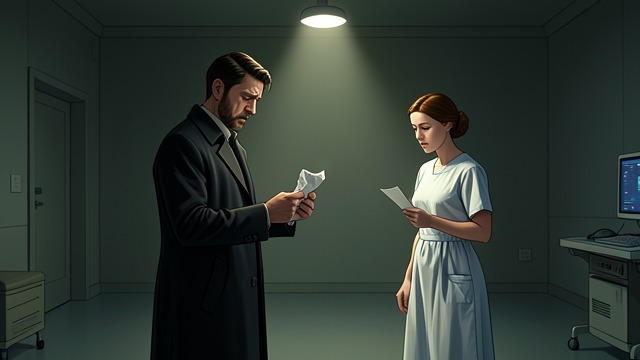
God’s Imperfect Writing
A cosmic metaphor
Sergio describes mentally ill people as errors in God’s spelling, a phrase that reduces suffering to a flaw in creation. Alice hears the anguish inside the metaphor even as she recognizes its cruelty.
A challenge to contempt
The image asks whether apparent mistakes should be discarded or cared for. The hospital’s residents resist any simple answer because each remains a person with a particular history and need.
Human Errors and Human Care
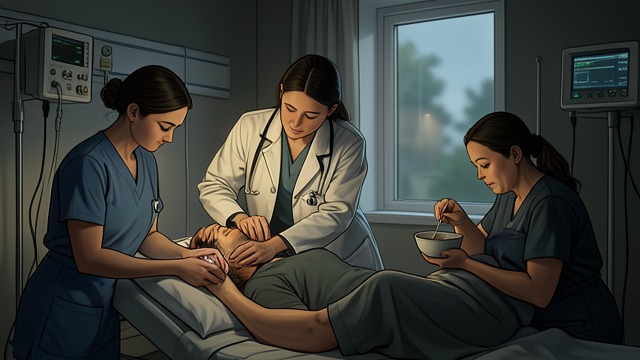
Repair Through Attention
Practical compassion
Alice helps wash, feed, and comfort residents whose needs can be physically overwhelming. Such care does not erase illness, but it rejects the idea that a person’s value depends on independence or normal speech.
A community of imperfect lives
Patients, nurses, and doctors all make errors, including errors with grave consequences. The novel places moral weight on whether they acknowledge those errors and continue to care for one another.
Straight Lines Reconsidered
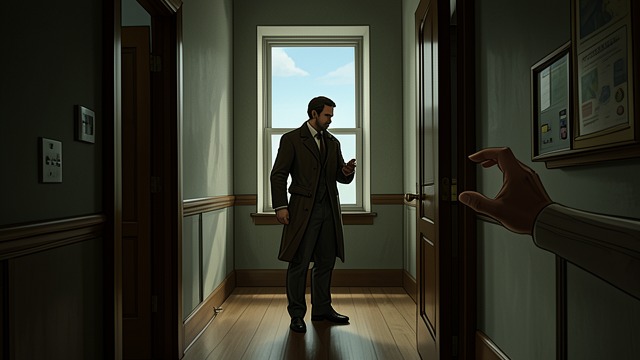
Meaning After Suffering
A different interpretation
Alice returns to the idea that God may write straight with crooked lines. She does not use it to excuse coercion, death, or abandonment, but to search for meaning in a life redirected by suffering.
A chosen response
Her projected return to help residents is a practical answer rather than a theological proof. The ending leaves human worth grounded in care, responsibility, and the possibility of choosing what to do next.
During Sergio’s late crisis
During Alice’s work in the dementia ward
During Alice’s final journey back to the hospital
